
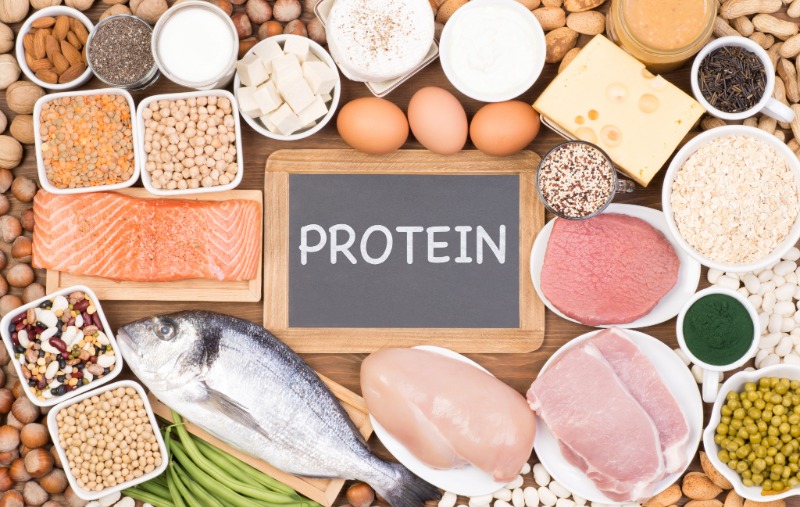
The Power of Protein
Why Protein Matters
Protein consists of amino acids, which are commonly called the “building blocks of life.” There are 20 types of amino acids, and nine of them are essential. This means our bodies can’t make them, so we need to get them from our food. Good sources of high-quality protein, like meat, fish, eggs, dairy, and some plant-based foods such as quinoa and soy, have all nine essential amino acids.
Key Benefits of Protein
- Muscle Growth and Repair
- Protein is super important for building muscles, so it’s a must-have for athletes and people who love to work out.
- After you exercise, protein helps fix tiny tears in your muscle fibers, which helps them grow and get stronger.
- Strengthens Bones
- Unlike what some old stories say, protein actually helps keep bones healthy by making it easier for the body to absorb calcium and lowering the chances of getting fractures.
- Older people who eat more protein usually have stronger bones and better bone density.
- Enhances Immune Function
- Antibodies are proteins that help your body fight off infections.
- Getting enough protein is important because it helps your body make enough immune cells to protect you from getting sick.
- Regulates Hormones and Enzymes
- A lot of hormones, such as insulin and growth hormone, are made of proteins.
- The digestive enzymes that help break down food are also proteins, which makes them really important for absorbing nutrients.
How Much Protein Do You Need?
The Recommended Dietary Allowance (RDA) for protein is 0.8 grams for every kilogram of body weight for an average adult who doesn’t exercise much. But, everyone’s needs can be different based on how active they are, their age, and their health goals:
- Sedentary adults: 0.8g/kg
- Active people or athletes: 1.2–2.0g/kg
- Older adults: 1.0–1.2g/kg (to help stop muscle loss as they get older)
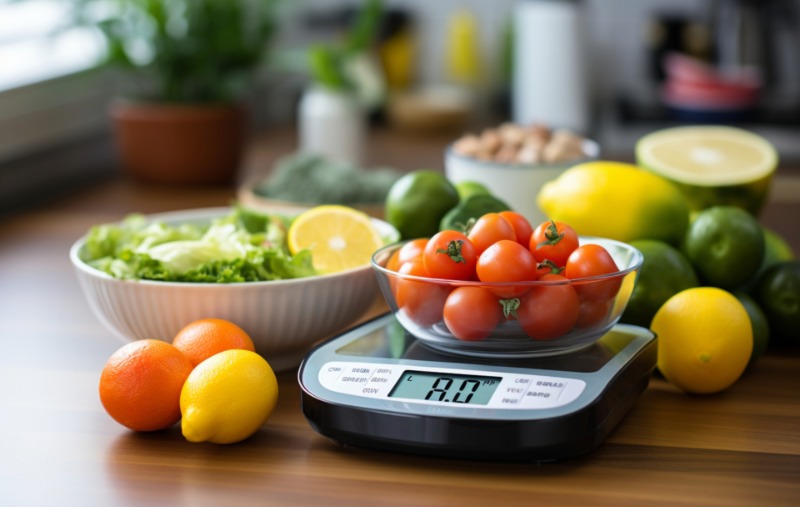
For someone who weighs 150 pounds (68kg), this means they should get about 55–136 grams of protein each day, depending on how active they are. Protein is incredibly important for your body, so to keep your health on track you can try Whole 30, an online nutrition program.
Best Sources of Protein
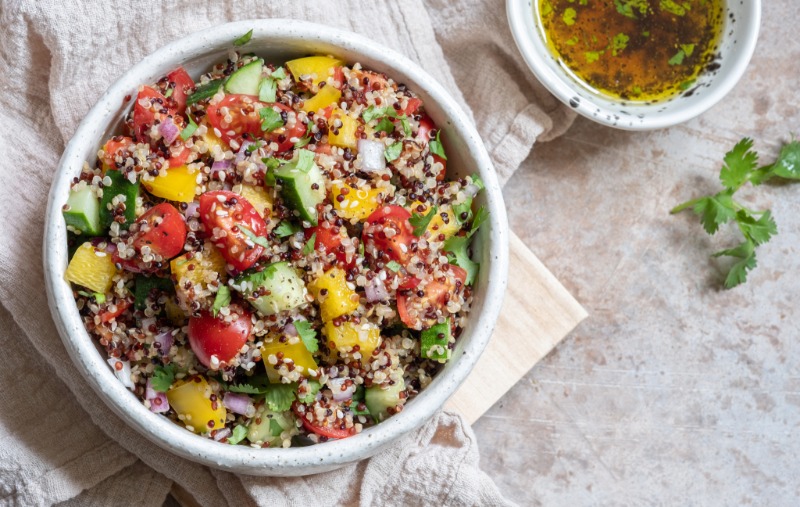
Although lots of foods have protein, some are better at providing it than others. Here are some of the best sources:
Animal-Based Proteins
- Chicken breast
- Lean beef
- Salmon
- Eggs
- Greek yogurt
Plant-Based Proteins
- Lentils
- Chickpeas
- Tofu
- Quinoa
- Almonds
Protein isn’t just a trendy word in fitness; it’s a key nutrient that helps with almost everything in our bodies. It plays a big role in keeping our muscles strong and our immune system working well. The advantages of protein are clear. If you add good sources of protein to your meals, like using Juice Plus+ that makes sure nutrients and protein are easily accessible in your diet, you can improve your health, boost your energy, and feel better overall.