
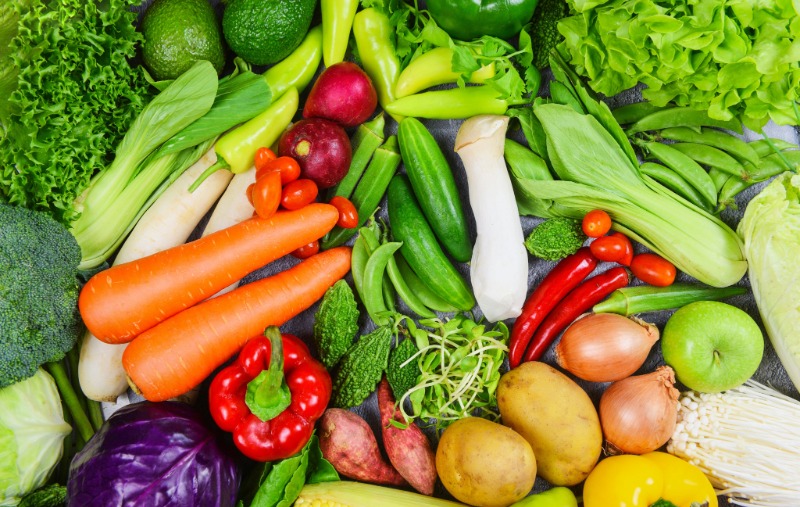
The Incredible Benefits of Vegetables: A Path to Better Health
Vegetables are important for a healthy diet because they give us essential nutrients that help us feel good overall. They are full of vitamins, minerals, fiber, and antioxidants, which are key in stopping chronic diseases, improving our immune system, and helping us live longer. This blog looks at all the great benefits of eating vegetables, supported by scientific studies, and explains why they should be a regular part of everyone’s meals.
1. Rich in Essential Nutrients
Vegetables are packed with nutrients, which means they have a lot of vitamins and minerals compared to their calorie count. Whole 30, a doctor-supervised, online, healthy eating program teaches you healthy nutrition techniques in just 30 days and is a fantastic way to get rich, essential nutrients to keep you feeling like your best self.
- Leafy greens like spinach and kale are great sources of vitamin K, which helps keep bones strong and supports blood clotting.
- Carrots and sweet potatoes are full of beta-carotene, which the body turns into vitamin A, important for good eyesight and a strong immune system.
- Bell peppers and broccoli are high in vitamin C, which helps with collagen production and boosts the immune system.
2. High in Dietary Fiber
Fiber is really important for keeping our digestion healthy, and vegetables are some of the best foods to get it from. Soluble fiber, which you can find in Brussels sprouts and carrots, helps control blood sugar and cholesterol levels. On the other hand, insoluble fiber, found in celery and cauliflower, helps keep our bowel movements regular. A diet that is high in fiber has been connected to:
- A lower risk of constipation and diverticular disease.
- A decreased chance of getting colorectal cancer.
- Better feelings of fullness, which can help with managing weight.
3. Heart Health Benefits
Heart diseases are one of the top reasons people die all over the world, but eating vegetables can help reduce the risks:
- Veggies high in potassium, like spinach and potatoes, help keep blood pressure in check.
- Vegetables that are rich in nitrates, such as beets and leafy greens, can boost how well blood vessels work and improve circulation.
- The fiber and antioxidants found in vegetables can help lower LDL, which is known as “bad” cholesterol.
4. Weight Management and Metabolism Support
Vegetables are low in calories but have a lot of volume, which makes them perfect for losing weight. Their high levels of water and fiber help you feel full, which can lower the number of calories you eat overall. Re:Set 25 is a great resource to use that can help you get veggies into your system and promote weight loss.
- Eating a diet full of vegetables is linked to a lower body mass index (BMI).
- Non-starchy vegetables like zucchini and cucumbers don’t affect blood sugar much, so they are good for your metabolic health.
5. Cancer Prevention
Many studies show that eating vegetables can help lower the chances of getting some types of cancer:
- Cruciferous vegetables might reduce the risk of lung, stomach, and colorectal cancers because they have glucosinolates in them.
- Leafy greens and vegetables high in carotenoids (like carrots and squash) are linked to a lower risk of breast cancer.
6. Longevity and Disease Prevention
Eating lots of vegetables is often linked to living longer. The Mediterranean diet, which focuses on vegetables, has been proven to lower death rates. Also, groups of people who eat a lot of vegetables tend to live much longer.
Adding different kinds of vegetables to your meals is one of the easiest and most effective ways to improve your health. They help prevent long-term illnesses, aid digestion, and can even help you live longer. Try to have a plate full of colors—each color shows different nutrients that work together to keep you healthy.