
The Health Risks of Food Dyes:
What Parents Should Know
Colorful snacks and treats can grab your child’s attention, but many artificial food dyes have some hidden dangers. Studies have connected synthetic dyes such as Red 40, Yellow 5, and Blue 1 to hyperactivity in children, allergic reactions, and even long-term health issues. We suggest that families choose natural options and whole foods to keep their kids healthy. Here’s what you should understand about food dyes and how to make safer choices.
Why Food Dyes Are a Concern
Research shows that artificial colors might lead to:
- Hyperactivity & ADHD symptoms: Some kids show more impulsive behavior and have a hard time concentrating after eating foods with dyes.
- Allergies & sensitivities: Colors like Yellow 5 have been connected to skin rashes, asthma, and headaches in people who are sensitive.
- Long-term health risks: Studies on animals suggest there could be links to cell damage and inflammation, but we need more research on humans.
The FDA says most dyes are “safe,” but many health professionals believe that the evidence, especially regarding children, suggests we should be careful.
Common Culprits to Avoid
These dyes are often found in:
- Candy, cereals, and fruit snacks
- Sports drinks and sodas
- Packaged baked goods (even some “healthy” brands)
- Processed snacks (like chips and flavored crackers)
Healthier Swaps
You can still enjoy color in your food, just pick naturally bright options!
- Snacks with fruit: Give freeze-dried strawberries or yogurt with beet juice a shot.
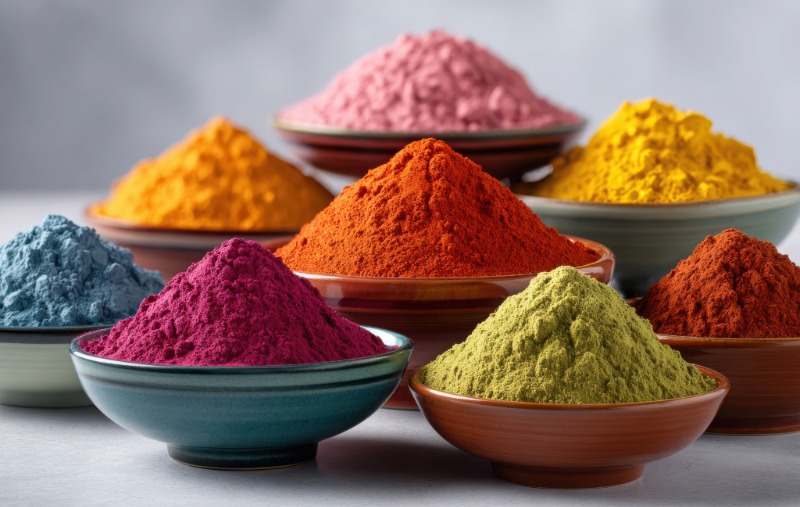
- DIY goodies: Add turmeric (yellow), beet juice (red/pink), or spirulina (blue-green) for some color.
- Brands that use whole foods: Search for packages that say “dye-free” on them.
What Parents Can Do
- Check labels: Look out for “artificial color” or certain dye names (like Red 40).
- Speak up: Some schools and places limit dyes, find out what the rules are in your area.
- Try it out: Get kids involved in creating foods with natural colors (like smoothies using spinach or blueberries).
We think that even little changes, such as reducing artificial dyes, can make a big difference in how well you focus, your mood, and your health over time. If you’re unsure, always go for whole, unprocessed foods to help your family stay safe and healthy!