
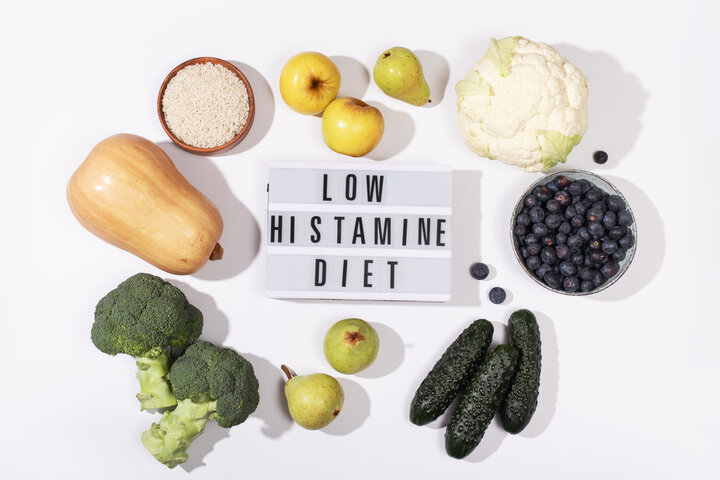
Low Histamine Food Guide
As we are happy to say goodbye to winter and welcome spring, there are some who are preparing to deal with the allergies that spring brings with it. This is when it is important to take note of the foods we are consuming. Focusing on low-histamine foods is often helpful for alleviating allergy symptoms. This is because a low histamine diet helps to manage an individual’s histamine intolerance (HIT). Histamine overload is often the cause of many allergy symptoms, from itchy, watery eyes and congestion to skin issues like itching, hives or flushing. A low histamine diet suggests avoiding processed, aged, or fermented food, placing priority on eating fresh, whole foods like the following:
- Fresh beef, fish, chicken, turkey, duck, and veal (no processed meats)
- Fruits and vegetables such as carrots, zucchini, lettuce, asparagus, apples, pears, grapes, and mangoes
- Dairy alternatives like almond milk or coconut milk
- Gluten-free carbohydrates including quinoa, oats, rice, potatoes, and sweet potatoes
- Cooking oils like olive oil and coconut oil
- Various seeds such as flax and chia seeds, as well as, pumpkin seeds and hemp seeds
If you suffer from seasonal allergies, try changing some of the foods you put on your plate this spring and see how much better you can feel!