
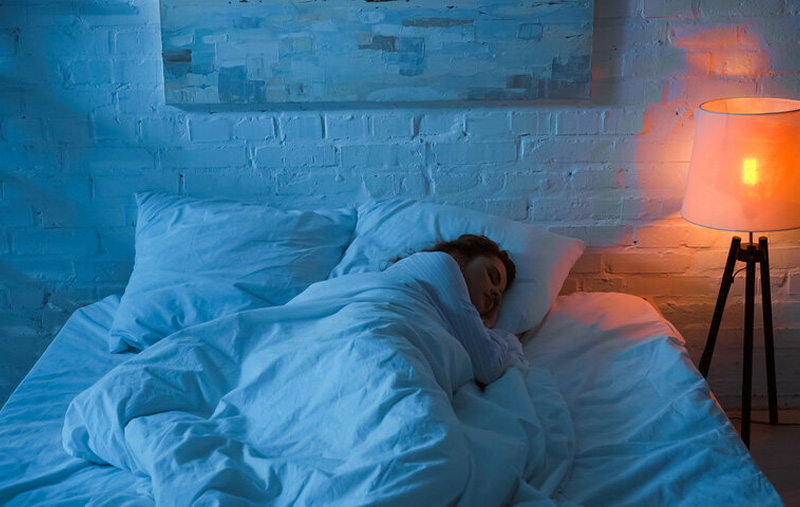
Tips for Better Sleep
Restless at night and exhausted in the morning? Good sleep is important for lowering our chance of developing many chronic health conditions. For example, getting poor sleep can lead to higher risk of type 2 diabetes due to cortisol levels rising, which can lead to insulin resistance. Also, weight gain is associated with lack of good sleep due to the release of a hormone called ghrelin, which leads to an increase in appetite. Here are some practical tips and tricks to help you get a better night’s sleep:
Sleep in Complete Darkness
Too much light in your bedroom can cause poor sleep quality and has been shown to lower leptin levels, a hormone that affects your appetite. People with lower leptin levels tend to eat more throughout the day due to the lower levels of leptin. Too much light also lowers the quality of cellular repair that happens when you are asleep. Also, melatonin levels, a hormone that your body naturally produces to help you sleep, are lower when there is too much light while you are sleeping. First, don’t look at bright screens at least one hour before bed. Yes, this means no phones, tablets or TV! Read a book to start to get ready for sleep instead. And try using blackout curtains or an eye mask to make your room darker at night.
Sleep in a Cooler Temperature (around 60-68 degrees)
Your body temperature drops at night after about 4 hours of sleep and if your environment is too warm it can negatively impact your sleep. Sleeping in a room that is between 60-68 degrees is ideal. Also, a warm bath before bed to raise your temperature and then lower it again quickly can induce better sleep.
Lavender Essential Oil
Lavender has calming effects. Try using a lavender spray on your pillows or in a diffuser in your bedroom so the scent can calm you as you go to sleep.
Journal
Journaling can help you release stress by putting all of your stressors down on paper before going to sleep. For example, if you quickly jot down your to-do’s for the next day before bed they won’t be crowding your mind as you attempt to go to sleep. Or start a gratitude journal and write down three things you were grateful for over the past day so that you switch your focus to something positive before turning in to help you sleep better.
Exercise
Exercise is important for sleep. Research shows that people who exercise at any time during the day get better sleep at night. Aim to get thirty minutes of exercise during the day and see how much your sleep improves that night.
Maintain a Consistent Sleep Schedule
One of the best ways to get to sleep at night is to be consistent with going to bed at the same time each night and getting up at the same time each morning. Yes, this even means on the weekends! Your body does better when it has a routine and maintaining the same sleep schedule is a good way to ensure you get the best quality rest.
Aim for Seven to Eight Hours
Try to get seven to eight hours of sleep at night. Any less than that turns on your body’s genes for inflammation, stress, and pain. Too few hours of sleep also lowers your immune system, which needs adequate time to heal and repair your body each night.